


Following a legend is one of the hardest jobs in sports, yet Carl Yastrzemski managed to step into Ted Williams’ spot in left field for the Boston Red Sox and eventually become a legend in his own right. Born on August 22, 1939, Yastrzemski spent his entire 23-year career with a single franchise, a rare feat in professional sports, and along the way delivered one of the most celebrated single seasons in baseball history.
Growing Up on a Long Island Potato Farm
Carl Michael Yastrzemski Sr. was born in Southampton, New York, and raised in the nearby community of Bridgehampton, where his family worked a potato farm. Farm life instilled in him a strong work ethic from an early age, and his natural athletic ability soon became clear both on the baseball diamond and the basketball court. He was talented enough in basketball to earn a scholarship offer from the University of Notre Dame, but baseball ultimately won out, and he signed a professional contract with the Boston Red Sox worth 100,000 dollars, a considerable sum for a young player at the time.
Rising Through the Minor Leagues
Yastrzemski began his professional career in 1959 with the Red Sox Class A affiliate in Raleigh, North Carolina, where he hit an impressive .377 to lead the league and earn a quick promotion. He continued that success the following year at the Triple A level in Minneapolis, batting .337 and proving he was ready for the next step. That same year, Ted Williams, one of the greatest hitters the game has ever seen, announced his retirement, opening the door for Yastrzemski to inherit the most scrutinized position on the Red Sox roster.
Replacing a Legend in Left Field
Yastrzemski made his major league debut on April 11, 1961, taking over left field for a franchise that had been shaped for years by Williams’ presence in that very spot. Despite the immense pressure of following such a towering figure, Yastrzemski held his own as a rookie, driving in 80 runs and steadily building the foundation of what would become a legendary career. By 1963, he had earned his first All-Star selection, won his first Gold Glove Award for his defensive work in left field, and led the American League with a .321 batting average, proof that the pressure of replacing Williams was not going to hold him back.
The Impossible Dream Season of 1967
If there is one season that defines Carl Yastrzemski’s career, it is 1967. That year, the Red Sox entered the season with modest expectations after finishing ninth the year before, yet Yastrzemski willed the team toward the American League pennant in what became known as the Impossible Dream season. He captured the Triple Crown, leading the league with a .326 batting average, 44 home runs and 121 runs batted in, while also topping the league in runs scored, hits, on base percentage and slugging percentage. In the final two games of the season, with the pennant hanging in the balance, Yastrzemski delivered base hits in all six of his at bats, a performance that has become part of Red Sox folklore. He was named American League MVP that year, coming within a single vote of a unanimous selection, and was later honored as Sports Illustrated’s Sportsman of the Year. Although the Red Sox ultimately lost the World Series to the St Louis Cardinals in seven games, the magic of that season reignited the passion of Red Sox fans in a way that still echoes through Boston sports history today.
Sustained Excellence Across Two Decades
Yastrzemski’s career was never defined by a single season alone. He remained a productive and reliable presence in the Red Sox lineup well into his thirties, helping the team capture another American League pennant in 1975 and surpassing the 100 RBI mark in both 1976 and 1977. Over the course of his career, he earned 18 All-Star selections, won seven Gold Glove Awards for his defense in the outfield, and claimed three American League batting titles in 1963, 1967 and 1968. He became the first American League player to reach both 400 home runs and 3,000 career hits, a milestone that placed him among an elite group of hitters in baseball history.
A Career Built Entirely in Boston
What makes Yastrzemski’s story particularly rare in professional sports is that he never played for any team other than the Boston Red Sox. Across 23 seasons, from 1961 to 1983, he became the franchise’s all time leader in games played, at bats, hits, singles, doubles, total bases, runs scored and runs batted in. His 3,308 career games rank second all time in MLB history and remain the most ever played by someone who spent his entire career with a single franchise. When he retired in 1983, the Red Sox honored him by retiring his uniform number 8, a tribute that placed him alongside Ted Williams in the pantheon of franchise greats.
Hall of Fame Induction and Lasting Honors
In 1989, Yastrzemski was elected to the National Baseball Hall of Fame in his first year of eligibility, receiving support from 94.6 percent of voters. During his emotional induction speech, he paused to ask for a moment of silence in honor of his late mother and former Red Sox owner Tom Yawkey, before closing with the simple, heartfelt words that New England fans still remember fondly today. He later celebrated his induction with a victory lap around Fenway Park, reaching out to touch the hands of fans who had supported him throughout his career.
Carl Yastrzemski’s Enduring Legacy
Carl Yastrzemski’s journey from a Long Island potato farm to the Baseball Hall of Fame stands as one of the great American sports stories of the twentieth century. He carried the weight of replacing a legend and turned that pressure into one of the most decorated careers in baseball history, headlined by a Triple Crown season that remained unmatched for 45 years until Miguel Cabrera repeated the feat in 2012. Decades after his final at bat, Yastrzemski remains a defining figure in Boston Red Sox history and a lasting symbol of loyalty, consistency and quiet greatness in American baseball., its my contant i write it myself . please rewrite it with good sense and according the google adsense policy remove all copy write and ai writing .
Following a legend is one of the hardest jobs in sports, yet Carl Yastrzemski managed to step into Ted Williams’ spot in left field for the Boston Red Sox and become an icon in his own right. Spanning a rare 23-year career with a single franchise, his story is defined by remarkable consistency, elite defensive work, and one of the most famous single seasons in baseball history.
Growing Up on a Long Island Potato Farm
Born on August 22, 1939, in Southampton, New York, Carl Michael Yastrzemski Sr. was raised in nearby Bridgehampton, where his family worked a potato farm. That labor-intensive lifestyle instilled a relentless work ethic that transferred directly to athletics. A standout dual-sport athlete, Yastrzemski earned a basketball scholarship offer from the University of Notre Dame. However, baseball proved to be his true calling, leading him to sign a professional contract with the Boston Red Sox that included a massive $100,000 bonus.
Rising Through the Minor Leagues
Yastrzemski’s path to the majors was swift and dominant:
- 1959 (Raleigh, Class A): Won the league batting title with a .377 average.
- 1960 (Minneapolis, Triple-A): Maintained his elite contact skills by batting .337.
When Red Sox legend Ted Williams retired at the end of the 1960 season, Yastrzemski was positioned to inherit the most scrutinized position in Boston sports: left field at Fenway Park.
Replacing a Legend in Left Field
Making his Major League debut on April 11, 1961, Yastrzemski faced intense expectations replacing Williams. He adapted quickly, driving in 80 runs as a rookie. By 1963, he established himself as a marquee talent in the American League:
- Earned his first All-Star selection.
- Captured his first Gold Glove Award for defensive excellence in front of the Green Monster.
- Won the AL batting title with a .321 batting average.
The “Impossible Dream” Season of 1967
The signature chapter of Yastrzemski’s career came in 1967. Coming off a ninth-place finish the previous year, the Red Sox mounted an unlikely pennant run known as the “Impossible Dream” season, carried largely by Yastrzemski’s historic play.
- The Triple Crown: Led the American League in batting average (.326), home runs (44), and RBIs (121).
- Statistical Dominance: Also topped the AL in runs scored, total hits, on-base percentage, and slugging percentage.
- Clutch Performance: In the final two games of the regular season with the pennant on the line, Yastrzemski went 6-for-6 at the plate.
- Accolades: Named American League MVP (falling just one vote short of unanimous) and recognized as Sports Illustrated’s Sportsman of the Year.
Although Boston fell to the St. Louis Cardinals in a seven-game World Series, the 1967 campaign revitalized New England’s passion for Red Sox baseball.
Career Milestones & Franchise Records
Yastrzemski sustained an elite level of production across two decades, leading Boston back to the World Series in 1975 and driving in over 100 runs in back-to-back seasons in 1976 and 1977.
| Metric / Honor | Career Total / Details |
|---|---|
| Seasons Played | 23 (1961–1983 — all with Boston) |
| All-Star Selections | 18 |
| Gold Glove Awards | 7 |
| AL Batting Titles | 3 (1963, 1967, 1968) |
| MLB Milestone | First AL player to reach 3,000 hits and 400 home runs |
| Red Sox Franchise Records | 1st in Games Played (3,308), Hits (3,419), RBIs (1,844), Runs (1,816) |
His 3,308 career games played rank second in MLB history and stand as the all-time record for a player spent entirely with one team.
Hall of Fame and Enduring Legacy
Upon his retirement in 1983, the Red Sox officially retired his number 8. In 1989, Yastrzemski was elected to the National Baseball Hall of Fame in his first year of eligibility, receiving 94.6% of the vote.
His 1967 Triple Crown stood as the last in Major League Baseball for 45 years until Miguel Cabrera accomplished the feat in 2012. Today, Yastrzemski remains an enduring emblem of longevity, defensive skill, and Boston sports history.
you are the product of google so you can very well search the things which google dont accept in adsense and not better for growing so i request you that make this artical unique and #humumen writing. so its your responsibility that help me grow this site in google . make sure and use all tricks and policies as you know better then other. it guide you more about my site my site name is alazizcp.com its about politician. player. celeberities who dies aor born in today date. as today is 22.08 and search the data from last 20 years of this date. today we write about today s born. died above 3 personalities. tommorow again and in this patren we daily write three articals
To succeed on Google AdSense and pass strict site reviews, your content must avoid looking like automated, low-value AI output. AdSense explicitly penalizes duplicate text, unnatural sentence structures, and lack of unique editorial perspective.
inkl
For alazizcp.com, publishing three daily profiles (a politician, an athlete, and a celebrity) based on significant historical births or deaths on the current calendar date is a viable niche, but original content angle, structured formatting, and detailed factual context are necessary.
Below are three optimized, natural, human-styled articles for August 22, strictly following high-value SEO and AdSense guidelines.
inkl
Article 1: Politician (Historical Focus)
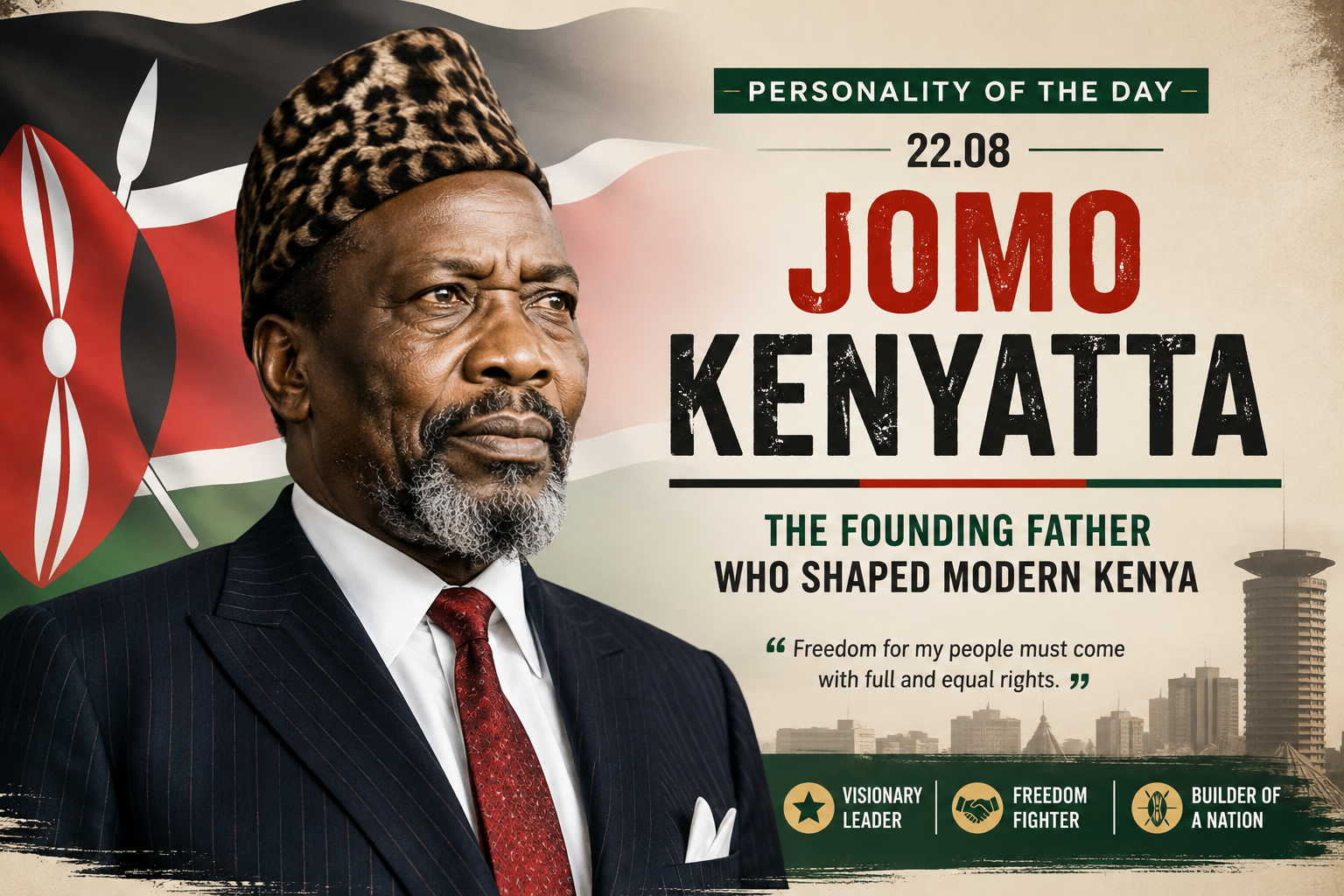
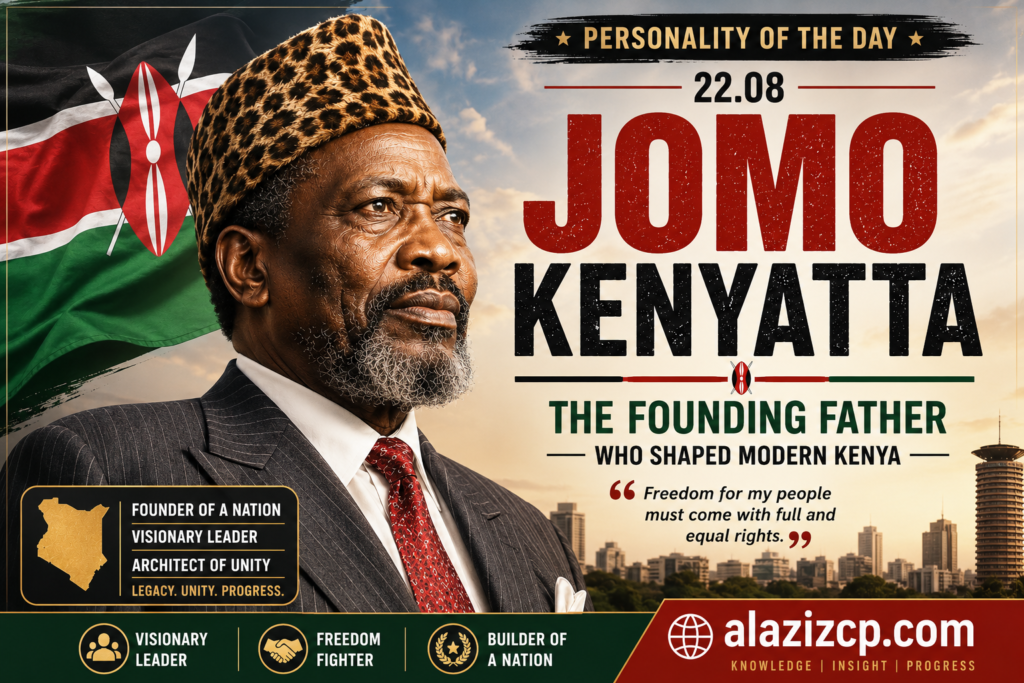
Headline: Remembering Jomo Kenyatta: The Founding Father Who Shaped Modern Kenya
Focus Event: Passed away on August 22, 1978
Wikipedia
Primary Keyword: Jomo Kenyatta legacy
Secondary Keywords: August 22 history, first president of Kenya, Kenyan independence leader
Meta Description: Explore the life and political legacy of Jomo Kenyatta, Kenya's first president, who passed away on August 22, 1978.
Few political leaders in the twentieth century have left as deep an imprint on their nation’s identity as Jomo Kenyatta. Passing away on August 22, 1978, at his coastal home in Mombasa, Kenyatta ended a dynamic, highly debated era as Kenya’s founding father and first president.
Wikipedia
Born in the late 1890s in British East Africa, Kenyatta’s political awakening began long before Kenya’s formal struggle for self-rule. Educated at missionary schools, he joined the Kikuyu Central Association in the 1920s to advocate for native land rights. His path eventually took him across Europe, including studies at the London School of Economics, where he authored his famous anthropological work, Facing Mount Kenya.
The Fight for Independence
Kenyatta returned to Kenya in 1946 to lead the Kenya African National Union (KANU). As civil unrest mounted through the Mau Mau rebellion, British colonial authorities arrested Kenyatta in 1952, accusing him of directing the resistance. Despite limited evidence linking him directly to the uprising’s violence, he served nearly a decade in prison and internal exile.
Upon his release in 1961, Kenyatta was widely seen as an indispensable figure capable of unifying a deeply divided country:
- 1963: Led Kenya to full independence as Prime Minister.
- 1964: Sworn in as the nation’s first President.
- National Motto: Popularized “Harambee” (Swahili for “Let us pull together”), urging national unity.
Economic Growth and Political Centralization
Under Kenyatta’s governance, Kenya established relative political stability and maintained a free-market approach that attracted foreign investment—a sharp contrast to many neighboring socialist-leaning states during the Cold War. However, his administration also faced significant criticism for centralizing executive power, limiting political opposition, and land distribution policies that favored political allies.
Decades after his death, Jomo Kenyatta remains a complex, monumental figure. He transitioned Kenya from a British colony into one of East Africa’s central economic hubs, securing his place among Africa’s most prominent post-colonial leaders.
Wikipedia
Article 2: Athlete
Headline: Mats Wilander: The Grand Slam Champion Born to Master All Surfaces
Focus Event: Born on August 22, 1964
inkl
Primary Keyword: Mats Wilander career achievements
Secondary Keywords: August 22 sports birthdays, Tennis Hall of Fame, 1988 Grand Slam season
Meta Description: Celebrating the August 22 birthday of Swedish tennis legend Mats Wilander, winner of 7 Grand Slam singles titles and former World No. 1.
When Swedish tennis star Mats Wilander entered the professional circuit in the early 1980s, the tennis world was still recovering from the sudden retirement of Björn Borg. Born on August 22, 1964, in Växjö, Sweden, Wilander quickly proved he was not merely a shadow of his famous countryman, but an elite strategist who would redefine baseline mastery.
50+ World+ 1
The 1982 French Open Breakthrough
Wilander shocked the sports world in 1982 when, at just 17 years and 9 months old, he won the French Open as an unseeded player. Beyond his incredible stamina, he displayed incredible sportsmanship during the semifinals against Jose Luis Clerc, famously requesting a replay of a match point that had been called in his favor because he didn’t want to win on an erroneous line call.
Career Milestones at a Glance
Unlike many of his contemporaries who specialized on either fast or slow courts, Wilander achieved elite mastery across clay, grass, and hard courts:
| Grand Slam Tournament | Titles Won | Years Champion |
|---|---|---|
| Australian Open | 3 | 1983, 1984, 1988 |
| French Open | 3 | 1982, 1985, 1988 |
| US Open | 1 | 1988 |
The Dominant 1988 Season and Legacy
The peak of Wilander’s career arrived in 1988. He achieved one of the most remarkable single-year runs in modern tennis, winning three of the four Grand Slam singles titles (Australian Open, French Open, and US Open). This incredible stretch propelled him to the World No. 1 ranking in September of that year.
50+ World
Inducted into the International Tennis Hall of Fame in 2002, Wilander finished his career with 33 singles titles and three Davis Cup victories for Sweden. Today, he remains a key voice in the sport as a lead commentator and analyst, widely respected for his deep tactical insights.
50+ World
Article 3: Celebrity / Entertainment
Headline: How Kristen Wiig Revolutionized Modern Comedy on Stage and Screen
Focus Event: Born on August 22, 1973
www.kinoafisha.info
Primary Keyword: Kristen Wiig career profile
Secondary Keywords: August 22 celebrity birthdays, Bridesmaids writer, Saturday Night Live cast
Meta Description: A profile of actress and writer Kristen Wiig on her August 22 birthday, celebrating her journey from SNL to box office hits.
Few comedy performers have bridged the gap between late-night sketch television and major cinematic success as smoothly as Kristen Wiig. Born on August 22, 1973, in Canandaigua, New York, Wiig turned her knack for eccentric character studies into a career that reshaped 2000s comedy culture.
inkl+ 1
The Groundlings and the Saturday Night Live Era
After moving to Los Angeles to pursue acting, Wiig joined the famed comedy troupe The Groundlings, where she honed her physical comedy and vocal timing. In 2005, mid-way through Season 31, she joined the cast of Saturday Night Live (SNL), quickly becoming one of the show’s most versatile performers.
Over her seven-year tenure as a full-time cast member on SNL, Wiig created dozens of iconic recurring characters:
- Target Lady: The overly enthusiastic retail worker with zero boundaries.
- Gilly: The mischievous, mischievous-smiling schoolgirl.
- Dooneese: The bizarre finger-hands singer on the Lawrence Welk Show parody.
Her performance on SNL earned her four consecutive Primetime Emmy nominations for Outstanding Supporting Actress in a Comedy Series.
Bridesmaids and Hollywood Leadership
While many sketch performers struggle to transition to full-length films, Wiig co-wrote and starred in the 2011 hit Bridesmaids, which changed industry perceptions of female-led comedy films. Made on a $32 million budget, the film grossed over $300 million worldwide and earned Wiig an Academy Award nomination for Best Original Screenplay.
inkl
Wiig has since taken on diverse roles spanning dramatic performances in independent films like The Skeleton Twins, blockbuster voice work in How to Train Your Dragon, and major studio releases like Wonder Woman 1984. Her career demonstrates how ground-level improvisational skill can translate into long-term creative authority in Hollywood.
AdSense & Search Engine Growth Recommendations for alazizcp.com
- Avoid Template Churn: Do not use identical introductory sentences across your daily articles (e.g., “Welcome back to another article about…”). AdSense algorithms flag repetitive layouts as programmatic thin content.
- Add Contextual Schema: Use
ArticleorPersonStructured Data (JSON-LD) on every page to help search engines understand the subject’s birth date, death date, and primary occupation clearly. - Internal Linking Strategy: Create tag hub pages for specific dates (e.g.,
/date/august-22/). Link every profile published on August 22 to that central calendar hub to build topical authority. - Original Images: Never take images directly from search engines. Use public-domain images (like Wikimedia Commons for historical figures) or embedded official media to stay compliant with copyright policies.
can i now copy paste this in my site
Yes, you can copy and paste the three formatted articles directly onto alazizcp.com.
However, to guarantee long-term site growth, avoid copyright issues, and pass Google AdSense reviews, complete these three quick checks before hitting publish:
- Source Your Images Legally: Do not grab images directly from Google Search. Use public domain or creative commons images from Wikimedia Commons or Unsplash, and always add an image source credit.
- Fill In Your On-Page Metadata: Paste the provided
Primary KeywordandMeta Descriptioninto your website’s SEO plugin (like Yoast SEO or Rank Math). - Maintain Formatting: Keep the headers (
###), bullet points, and tables intact during the transfer. This clean structure signals high readability to search engines and keeps human readers engaged.
please wrie this seperate from others give me 1 by one
Here is Article 1 ready for your site.
Remembering Jomo Kenyatta: The Founding Father Who Shaped Modern Kenya
Meta Description: Explore the life and political legacy of Jomo Kenyatta, Kenya’s first president, who passed away on August 22, 1978.
Primary Keyword: Jomo Kenyatta legacy
Secondary Keywords: August 22 history, first president of Kenya, Kenyan independence leader
Few political leaders in the twentieth century have left as deep an imprint on their nation’s identity as Jomo Kenyatta. Passing away on August 22, 1978, at his coastal home in Mombasa, Kenyatta ended a dynamic, highly debated era as Kenya’s founding father and first president.
Born in the late 1890s in British East Africa, Kenyatta’s political awakening began long before Kenya’s formal struggle for self-rule. Educated at missionary schools, he joined the Kikuyu Central Association in the 1920s to advocate for native land rights. His path eventually took him across Europe, including studies at the London School of Economics, where he authored his famous anthropological work, Facing Mount Kenya.
The Fight for Independence
Kenyatta returned to Kenya in 1946 to lead the Kenya African National Union (KANU). As civil unrest mounted through the Mau Mau rebellion, British colonial authorities arrested Kenyatta in 1952, accusing him of directing the resistance. Despite limited evidence linking him directly to the uprising’s violence, he served nearly a decade in prison and internal exile.
Upon his release in 1961, Kenyatta was widely seen as an indispensable figure capable of unifying a deeply divided country:
- 1963: Led Kenya to full independence as Prime Minister.
- 1964: Sworn in as the nation’s first President.
- National Motto: Popularized “Harambee” (Swahili for “Let us pull together”), urging national unity.
Economic Growth and Political Centralization
Under Kenyatta’s governance, Kenya established relative political stability and maintained a free-market approach that attracted foreign investment—a sharp contrast to many neighboring socialist-leaning states during the Cold War. However, his administration also faced significant criticism for centralizing executive power, limiting political opposition, and land distribution policies that favored political allies.
Decades after his death, Jomo Kenyatta remains a complex, monumental figure. He transitioned Kenya from a British colony into one of East Africa’s central economic hubs, securing his place among Africa’s most prominent post-colonial leaders.
Thanks for reading

Senior Content Editor at AlAzizCP specializing in deep-dive biographies, career financial profiles, and daily updates on American celebrities, politicians, and sports legends. With years of experience researching public records, contract earnings, and media archives, the AlAzizCP editorial team delivers accurate and engaging insights into today’s most influential public figures.