

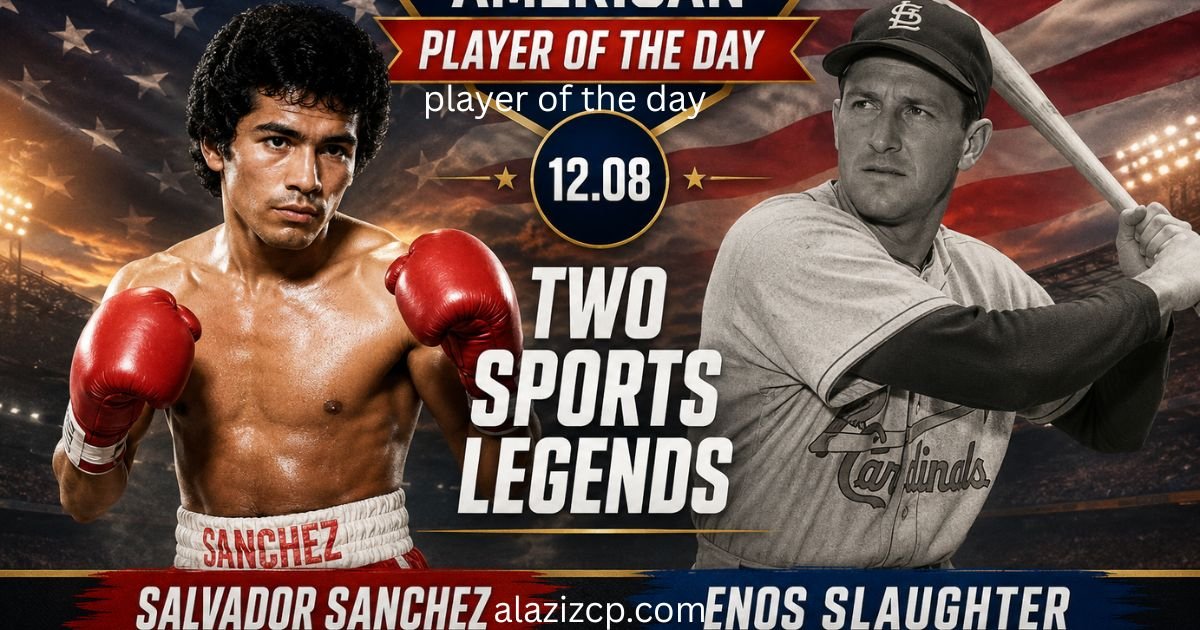
American Player Of The Day 12.08. Salvador Sanchez and Enos Slaughter: Two Sports Legends
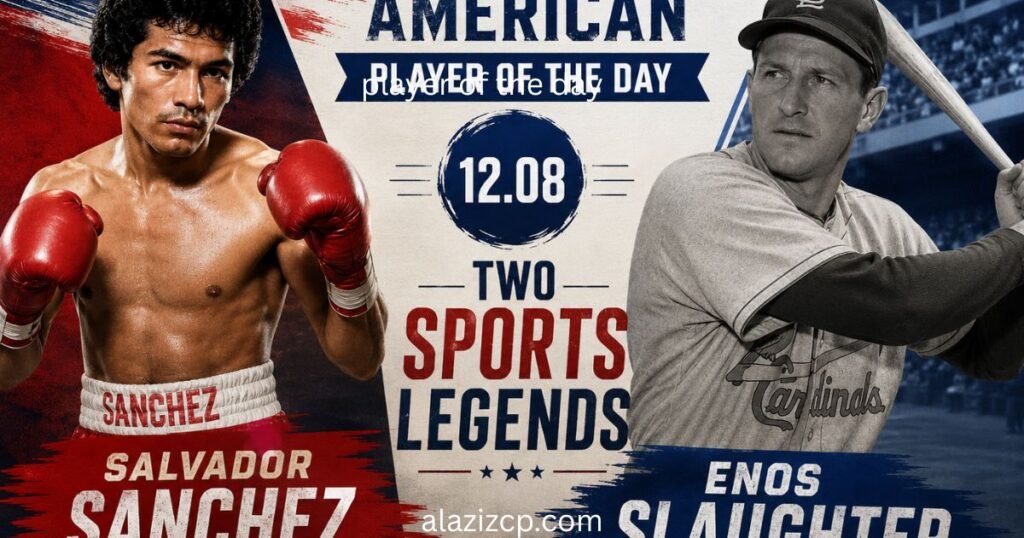
Sports history in the world is full of strange coincidences, and one of the more haunting ones involves the calendar date August 12. 20 years apart, in two completely different sports and two completely different countries, the world lost two men who had already carved out lasting legacies in their fields. Salvador Sanchez, a Mexican boxing champion at the peak of his powers, died on August 12, 1982. Enos Slaughter, an American baseball Hall of Famer who had already lived a full life, passed away on the very same date in 2002.
One death came far too soon, cutting short a career many believed was destined for greatness. The other came after decades of a life well lived, closing out a story that had already been written into the record books. Together, their stories show two very different sides of what it means to leave a mark on sports.
Salvador Sanchez: The Champion Who Taken Too Soon
A Fighter From Humble Beginnings
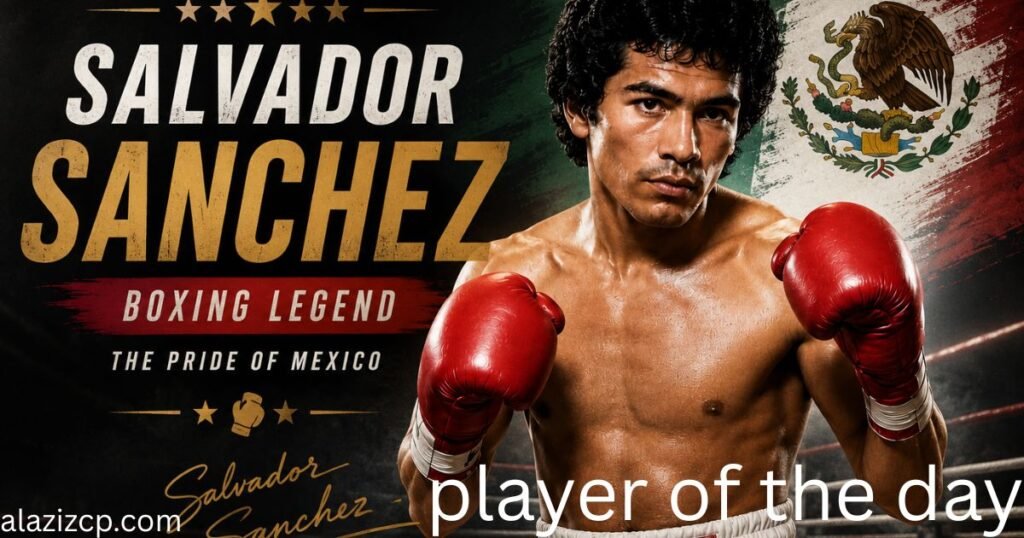
Salvador Sanchez Narvaez was born on January 26, 1959, in Santiago Tianguistenco, a small town in the State of Mexico. One of eleven children, he grew up without the advantages that many future champions enjoy, and he turned professional as a boxer while still a teenager. His rise through the ranks was rapid, built on sharp counterpunching, disciplined conditioning, and a calm confidence that made him stand out even among tough Mexican fighters.
Becoming a World Champion
In February 1980, Sanchez shocked the boxing world by knocking out the heavily favored Danny Lopez in the thirteenth round to claim the WBC featherweight title. It was the beginning of one of the most dominant championship runs in the sport’s history. He defended his title nine times, including a memorable demolition of previously unbeaten Wilfredo Gomez and a hard fought victory over a young Azumah Nelson just weeks before his own death. Many boxing historians still argue that Sanchez, had he lived, would have gone down as the greatest featherweight of all time.
A Sudden and Tragic End
In the early hours of August 12, 1982, Sanchez was driving his sports car on a highway between Queretaro and San Luis Potosi in Mexico when he collided with a truck. He was killed instantly. He was only 23 years old, still the reigning world champion, with a lucrative unification bout already being discussed. The boxing world, particularly in Mexico and Puerto Rico, went into deep mourning. He was inducted into the International Boxing Hall of Fame in 1991, a fitting tribute to a career that ended far before its natural conclusion.
Enos Slaughter: A Long Career Built on Hustle
Small Town Roots in North Carolina
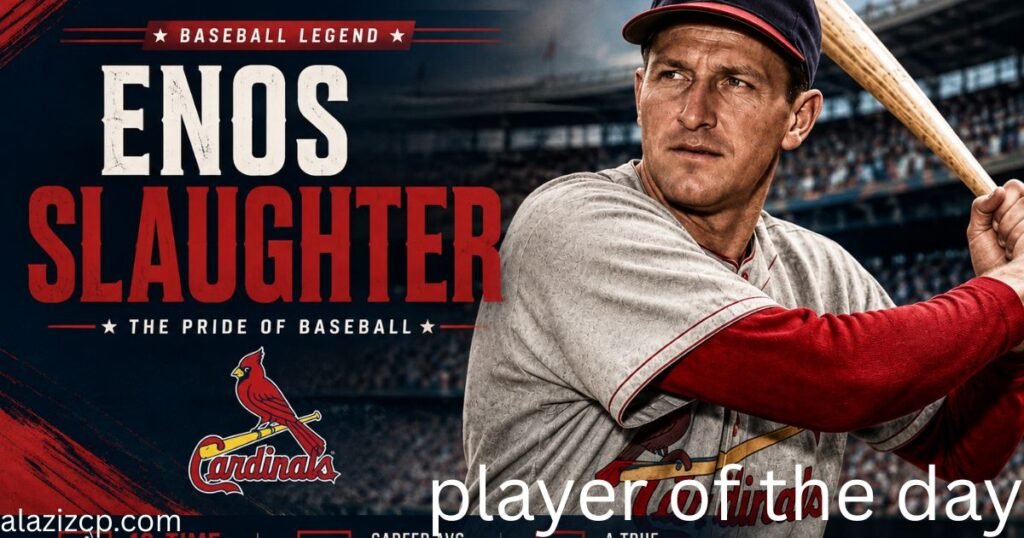
Enos Bradsher Slaughter was born on April 27, 1916, in Roxboro, North Carolina. He grew up working on his family’s tobacco farm, and that upbringing shaped the relentless work ethic that would eventually define his entire career. He signed with the St. Louis Cardinals as a teenager and worked his way up through the minor leagues before finally reaching the majors in 1938.
Nineteen Seasons and a Legendary Dash
Over a 19 year career split among the Cardinals, Yankees, Athletics, and Braves, Slaughter built a batting average of .300 and collected 2,383 hits. He earned ten All-Star selections and won four World Series titles. His most famous moment came in Game 7 of the 1946 World Series, when he sprinted all the way home from first base on a base hit, a play still remembered today as Slaughter’s Mad Dash. That single moment of hustle became a symbol of everything he represented as a player.
A Life That Came Full Circle
After retiring as a player, Slaughter stayed close to the game, coaching baseball at Duke University for several years. He was elected to the National Baseball Hall of Fame in 1985, and the St. Louis Cardinals later retired his uniform number and unveiled a statue of his famous dash. Slaughter passed away on August 12, 2002, at Duke University Medical Center in North Carolina, at the age of 86, after a battle with lymphoma. Unlike Sanchez, he had the rare privilege of watching his own legacy honored while he was still alive.
Two Different Stories, One Shared Date
What makes these two stories worth telling together is not just the shared date but the contrast they offer. Sanchez represents everything tragic about potential cut short, a champion who never got the chance to find out how great he might have become. Slaughter represents the opposite, a long and complete career defined by consistency, effort, and the satisfaction of seeing his own achievements recognized during his lifetime.
Both men, in their own way, are remembered for the same quality: relentless effort. Sanchez fought every round like it might be his last, and Slaughter earned his nickname running out every single ground ball as if the game depended on it. Neither man needed to be flashy to be unforgettable, and both left sports fans with lasting images that are still talked about decades later.
Frequently Asked Questions
1.Who was Salvador Sanchez?
Salvador Sanchez was a Mexican professional boxer who held the WBC featherweight title from 1980 until his death in 1982. He is widely considered one of the greatest featherweight boxers in history.
2.How did Salvador Sanchez die?
Sanchez died in a car accident on a highway in Mexico on August 12, 1982, while driving between Queretaro and San Luis Potosi. He was twenty three years old and still the reigning world champion at the time.
3.Who was Enos Slaughter?
Enos Slaughter was an American Major League Baseball outfielder who played nineteen seasons, mostly with the St. Louis Cardinals. He was inducted into the National Baseball Hall of Fame in 1985.
4.What is Slaughter’s Mad Dash?
It refers to Slaughter’s game winning sprint from first base to home plate during Game 7 of the 1946 World Series, considered one of the most famous individual plays in World Series history.
5.Is it a coincidence that both men died on August 12?
Yes, there is no known connection between the two beyond the shared date. Sanchez died in 1982 and Slaughter died twenty years later in 2002, in different countries and in different sports.
Disclaimer
This article is written for informational and historical purposes only, based on publicly available sports records, archived news reports, and official Hall of Fame biographies. It is not affiliated with either athlete’s family, estate, or any sporting organization. Readers seeking complete or official records are encouraged to consult recognized boxing and baseball archives directly.