

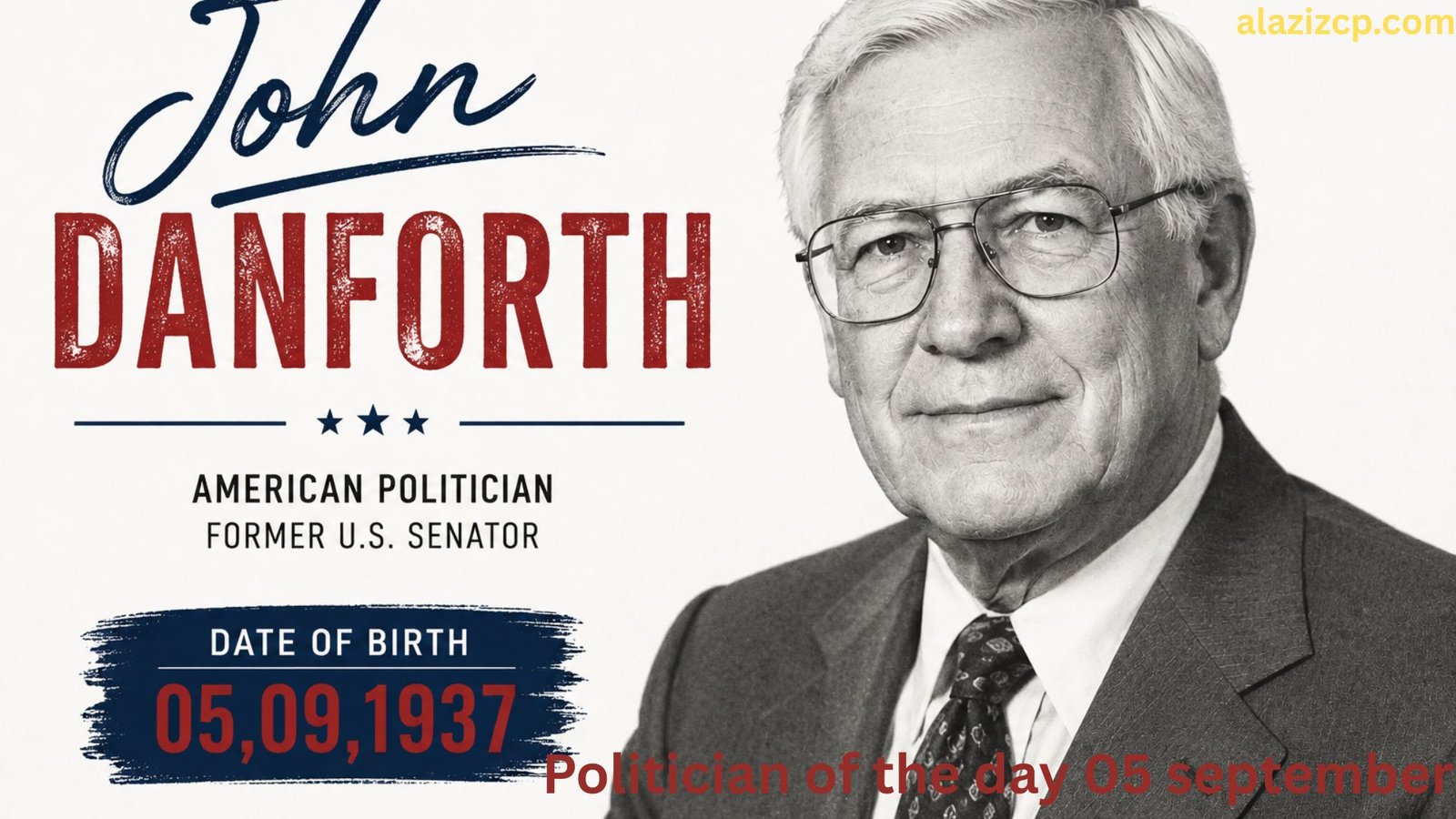
John Danforth political legacy
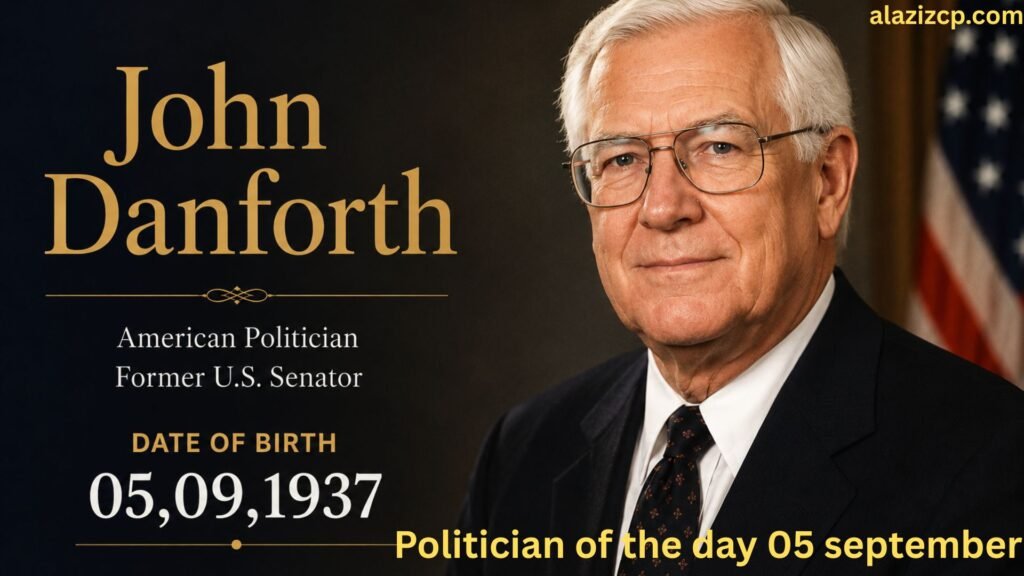
St. Louis, Missouri, John Danforth (John Claggett Danforth) stands out as one of the most principled, respected, and influential American political leaders of the late 20th century. Serving as Attorney General of Missouri, a three-term United States Senator, and the U.S. Ambassador to the United Nations, Danforth built a nationwide reputation for integrity, legal expertise, and moderate political statesmanship. Today, John Danforth political legacy is celebrated as a classic model of bipartisan consensus-building and ethical public service.
Quick Facts: John Danforth Career Summary
| Public Service Role | Historical Record |
| Date of Birth | September 5, 1936 |
| Place of Birth | St. Louis, Missouri |
| Political Party | Republican |
| Missouri Attorney General | 1969–1976 |
| U.S. Senator from Missouri | 1976–1995 (3 Consecutive Terms) |
| U.S. Ambassador to UN | 2004–2005 |
| Education | Princeton University, Yale Divinity School, Yale Law School |
Early Life, Academic Excellence, and Legal Roots,John Danforth political legacy
Danforth was born into the prominent Danforth family, founders of Ralston Purina. Demonstrating a deep intellectual drive early on, he earned his undergraduate degree from Princeton University before pursuing dual postgraduate degrees at Yale University, graduating from both Yale Divinity School and Yale Law School in 1963.
His unique combination of legal education and ordination as an Episcopal priest shaped his moral approach to government service. After practicing law in New York and St. Louis, Danforth entered politics in 1968, winning election as Attorney General of Missouri—becoming the first Republican elected to statewide office in Missouri in over twenty years.
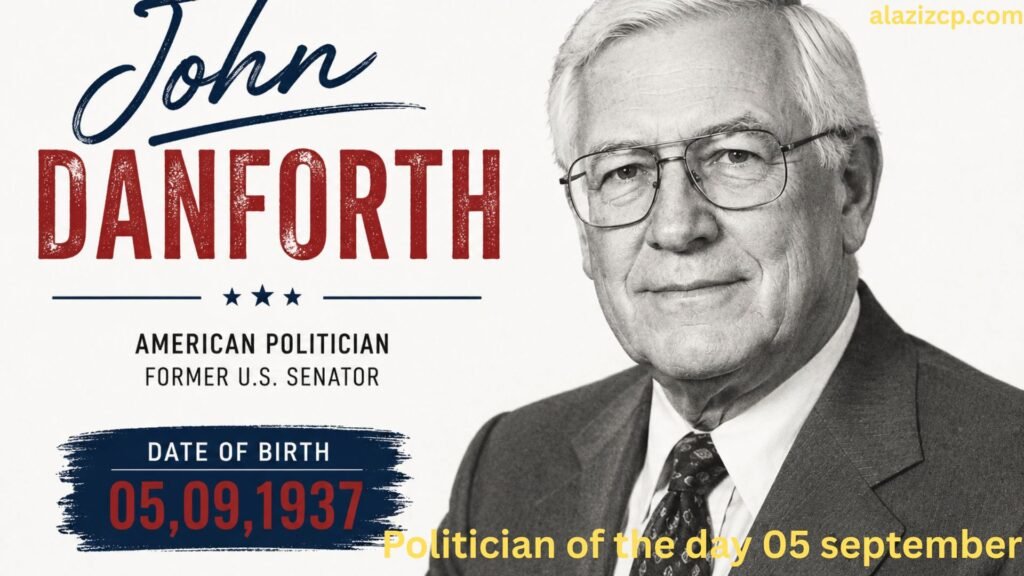
U.S. Senate Career and Legislative Leadership,John Danforth political legacy
In 1976, Danforth was elected to the U.S. Senate representing Missouri, a seat he held with distinction for 18 years until his voluntary retirement in 1995. During his Senate tenure, he chaired the powerful Senate Commerce, Science, and Transportation Committee and established himself as a key authority on trade policy, aviation safety, and civil rights.
Danforth was instrumental in drafting and negotiating the landmark Civil Rights Act of 1991, which restored key protections against workplace discrimination. He was also widely known as a mentor to young political leaders and played a central role in guiding Supreme Court Justice Clarence Thomas through a contentious Senate confirmation process in 1991.
Special Counsel Investigations and UN Ambassador Role
Following his retirement from the Senate, Danforth was called back to government service due to his unquestioned moral credibility. In 1999, Attorney General Janet Reno appointed Danforth as Special Counsel to lead the independent investigation into the federal government’s siege of the Branch Davidian compound in Waco, Texas. His comprehensive report brought clarity and closure to a major national controversy.
In July 2004, President George W. Bush appointed Danforth as the 25th United States Ambassador to the United Nations. During his diplomatic tenure, he focused heavily on international peace initiatives, leading U.S. diplomatic efforts to end the long-running civil war in Sudan and helping broker the Historic Comprehensive Peace Agreement in early 2005.
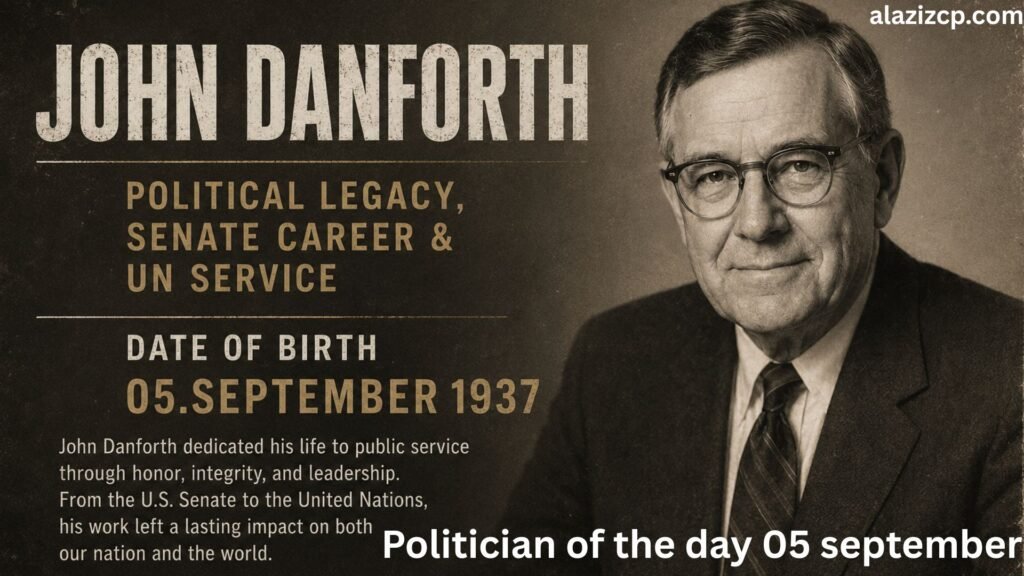
Authorship and Enduring Political Influence
In his post-government years, Danforth has remained an active author, legal counselor, and national political commentator. He has authored several influential books, including Faith and Politics, advocating for civil debate, constitutional moderation, and the separation of toxic partisan anger from religious faith.
His September 5 birthday honors an extraordinary public servant whose career demonstrated that religious conviction, legal rigor, and political pragmatism can come together to serve the national interest. John Danforth political legacy remains a vital blueprint for future leaders aiming to rebuild trust in democratic institutions.
John Danforth’s career reads like a study in versatility. Long before he stepped onto the world stage, he built his reputation close to home in Missouri, serving as the state’s attorney general starting in 1969 and holding that post until his election to the U.S. Senate.
John Danforth’s career reads like a study in versatility. Long before he stepped onto the world stage, he built his reputation close to home in Missouri, serving as the state’s attorney general starting in 1969 and holding that post until his election to the U.S. Senate.
His Senate years, spanning three terms from 1976 to 1995, revealed a lawmaker who resisted easy political labels. Danforth chaired the Senate Commerce Committee and sat on the Finance and Intelligence committees, pushing legislation on trade expansion and aviation policy. Perhaps his most lasting legislative mark came through the Civil Rights Act of 1991, which he helped shepherd into law. Colleagues on both sides of the aisle came to see him as a bridge-builder rather than a partisan warrior, a rare distinction in Washington.
Retirement from the Senate in 1995 hardly slowed him down. An ordained Episcopal priest alongside his political life, Danforth was called back into public service repeatedly. In 1999, he led the federal investigation into the Waco tragedy, and later took on the role of special envoy tasked with helping negotiate peace in Sudan.
That record of steady, trusted service set the stage for his final major post. In 2004, President George W. Bush named him U.S. Ambassador to the United Nations, where he represented American interests during a turbulent period in global diplomacy. Though his UN tenure lasted only months, it capped a public life defined less by ambition and more by a willingness to answer the call whenever it came.
Tomorrow we will discuss the politician of 06 September.

Senior Content Editor at AlAzizCP specializing in deep-dive biographies, career financial profiles, and daily updates on American celebrities, politicians, and sports legends. With years of experience researching public records, contract earnings, and media archives, the AlAzizCP editorial team delivers accurate and engaging insights into today’s most influential public figures.